
Support When Downtime Costs Thousands Hourly
24/7 Field Services in Bossier City for emergency breakdowns, unexpected equipment failures, and urgent troubleshooting needs
When a gearbox seizes during overnight production or a pump loses prime during a weekend shift, the clock starts on lost output that accumulates faster than parts can be ordered through normal channels. Technicians from Redline Precision Group respond to field service calls across Bossier City and the industrial corridor where refineries, chemical plants, and manufacturing operations run continuous schedules that cannot absorb unplanned downtime. The first response involves diagnosing the failure mode—bearing seizure, seal rupture, coupling failure, electrical fault—then determining whether temporary repairs can restore partial operation while permanent solutions are scheduled around production windows.
This service addresses failures that stop production immediately rather than degrading gradually through maintenance warning signs, and response speed directly affects how much revenue is lost while equipment sits idle. Field technicians arrive with diagnostic tools, common wear parts, and the experience to assess whether a repair can happen on-site or requires component removal to the shop for machining and rebuild work.
Call for immediate dispatch when equipment failures interrupt critical operations and production schedules cannot tolerate standard service timelines.
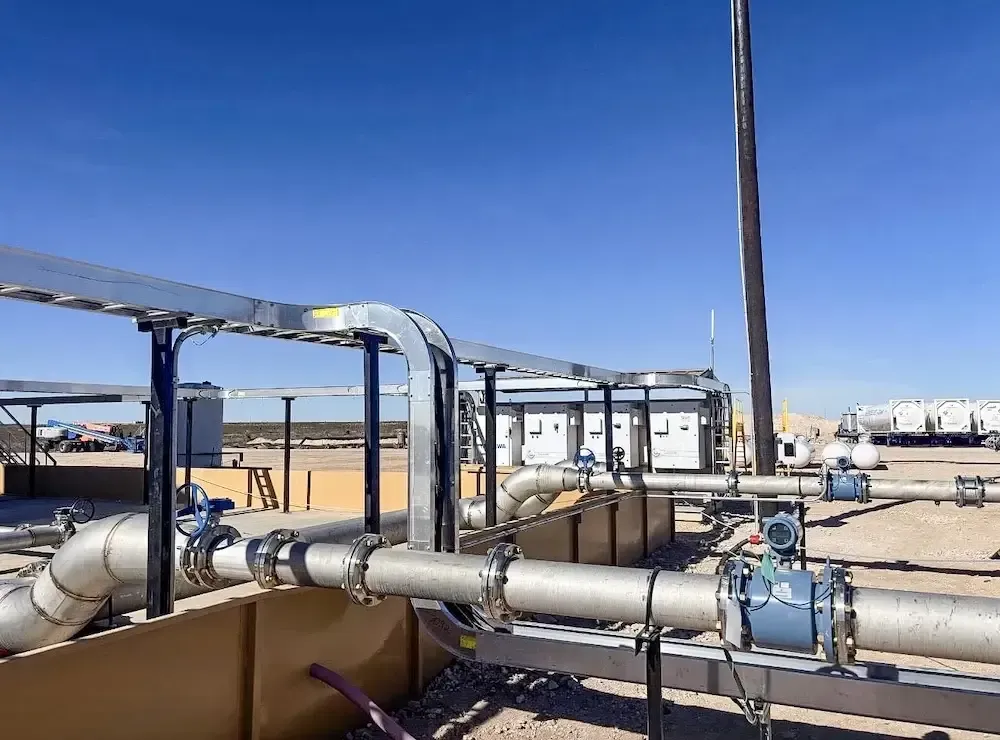
What Emergency Response Actually Involves
Emergency service begins with rapid fault isolation to determine whether the problem involves mechanical failure, electrical issues, or control system malfunctions, followed by damage assessment to understand whether the failure affected only the immediate component or caused secondary damage to connected equipment. Technicians evaluate whether temporary measures like bypass configurations, reduced-capacity operation, or field repairs provide enough function to maintain partial production until permanent repairs happen during scheduled downtime.
After emergency repairs, equipment returns to operation with enough reliability to complete the current production run or shift, and facility teams receive clear information about what temporary measures are in place and when permanent repairs must occur. Operations resume with known limitations rather than risking further damage by pushing repaired equipment beyond safe temporary operating parameters.
Response capability depends on having technicians available around the clock and maintaining relationships with parts suppliers who support after-hours requests for critical components. Not every failure can be resolved in the field, but rapid assessment prevents extended troubleshooting delays that waste hours before the actual repair work begins.
Common Questions About This Service
Industrial operations in Bossier City often face humidity-related electrical issues and corrosion that accelerate failure rates on outdoor equipment, making rapid response capability essential when environmental exposure contributes to unexpected breakdowns.
What qualifies as an emergency requiring after-hours dispatch?
Emergency status applies when equipment failure stops production, creates safety hazards, or risks damage to connected systems if not addressed immediately rather than waiting for normal business hours.
How quickly can technicians reach a job site?
Response time depends on current call volume and technician location, but dispatch prioritizes calls where downtime costs escalate rapidly or safety concerns require immediate attention, with most emergency responses beginning within two hours of the initial call.
What equipment types does field service support?
The service covers pumps, gearboxes, motors, couplings, bearing assemblies, and related rotating equipment commonly found in industrial process systems, though some specialized equipment may require vendor-specific technicians or parts.
Why not handle emergency repairs with in-house maintenance staff?
Many facilities lack the specialized tools, replacement parts inventory, or technical expertise for complex mechanical repairs, especially during off-shifts when senior maintenance personnel are unavailable and failures involve precision alignment or machining requirements.
What happens if parts are unavailable for immediate repair?
Technicians assess whether field machining, temporary components, or operational workarounds can restore partial function until correct parts arrive, and they coordinate expedited shipping or local sourcing to minimize total downtime duration.
Downtime costs accumulate whether failures happen at two in the afternoon or two in the morning, and having access to skilled technicians outside normal business hours prevents minor mechanical issues from becoming full-shift production losses. Redline Precision Group maintains around-the-clock availability for facilities where equipment reliability directly affects output and revenue—reach out when unexpected failures demand immediate technical response.