
Equipment That Performs When Production Depends On It
Precision Maintenance in Bossier City for industrial assets requiring reliability programs that prevent unexpected failures
Equipment failures don't announce themselves with convenient timing—they happen during peak production runs, over weekends when parts suppliers are closed, and exactly when market conditions make downtime most expensive. Precision maintenance programs identify developing problems before they cause unplanned shutdowns, using condition monitoring data and inspection findings to schedule repairs during planned outages when parts, tools, and personnel are ready. Redline Precision Group develops tailored maintenance strategies for industrial facilities in Bossier City, focusing on assets where failure interrupts critical processes or creates safety risks.
Preventive maintenance moves beyond calendar-based task lists to condition-based interventions guided by actual equipment health. Vibration trending reveals bearing degradation weeks before failure, oil analysis detects contamination indicating seal leaks, and thermal imaging identifies electrical connections heating from increased resistance. These technologies transform maintenance from reactive firefighting into planned work executed on maintenance department schedules rather than equipment failure schedules. A pump showing slight vibration increase at bearing frequencies gets scheduled for bearing replacement during the next available window instead of failing catastrophically at 2 AM on Sunday.
Request a maintenance program evaluation to identify which assets would benefit most from condition monitoring and planned service intervals.
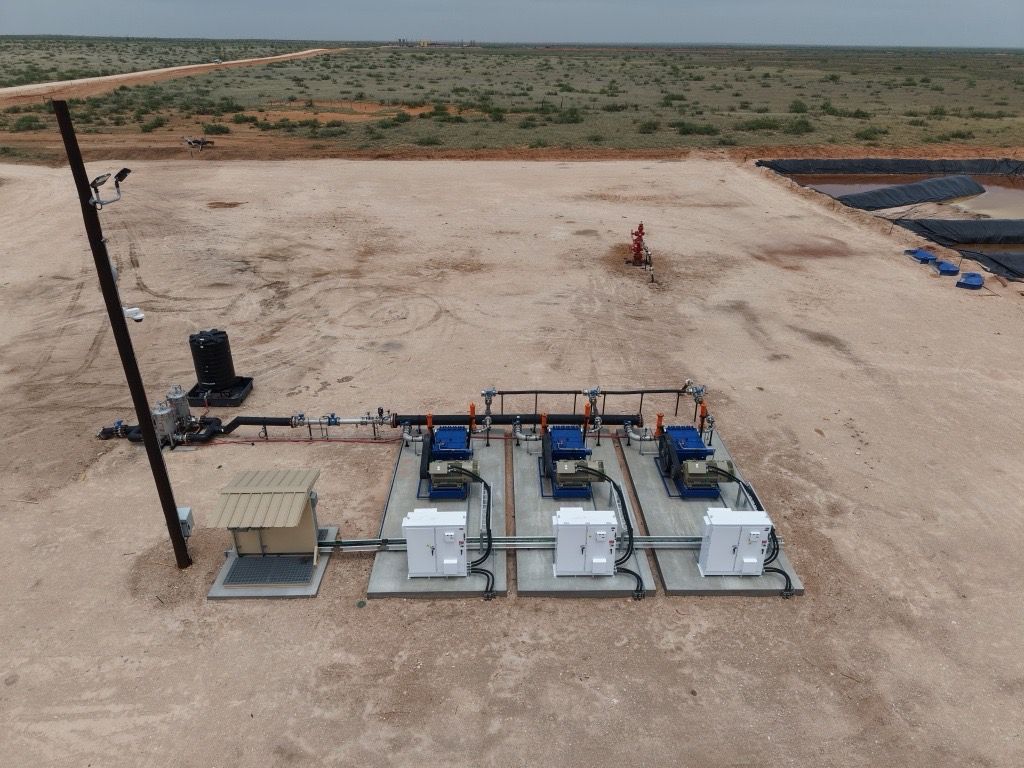
What You Notice Once Maintenance Programs Operate
Maintenance program development starts with equipment criticality analysis that ranks assets by their impact on production, safety, and maintenance costs, then assigns monitoring intensity and task frequencies accordingly. A spare pump sitting idle receives visual inspection monthly, while the single compressor supporting an entire process gets continuous vibration monitoring, weekly oil sampling, and quarterly internal inspections. Task procedures specify exactly what to inspect, what measurements to record, and what acceptance criteria determine whether equipment passes or requires corrective action.
Facilities operating under precision maintenance programs experience fewer emergency repair calls, reduced spare parts inventory because predictable failure patterns allow just-in-time ordering, and better coordination between maintenance and production for outage planning. Equipment that previously failed every few months runs reliably for years because problems get caught and corrected while still minor. Maintenance technicians spend more time on planned work with proper tools and parts staged in advance, rather than scrambling to diagnose failures and improvise repairs with whatever materials are immediately available.
Maintenance programs include documentation showing baseline equipment condition, trending data that reveals degradation rates, and work history connecting failures to root causes so corrective actions address underlying problems rather than symptoms. When equipment does fail despite monitoring, the condition data often reveals why—allowing design improvements, operating procedure changes, or vendor discussions about component quality that prevent recurrence across similar assets.
Common Questions About This Service
Operations and maintenance managers evaluating precision maintenance approaches often need clarity on program structure and expected outcomes.
What distinguishes precision maintenance from standard preventive maintenance?
Precision programs use condition monitoring tools like vibration analysis, ultrasound, and oil sampling to detect actual equipment degradation, scheduling maintenance based on measured need rather than arbitrary time intervals that may intervene too early or too late.
How are maintenance task frequencies determined?
Initial intervals come from manufacturer recommendations adjusted for operating severity, then refine based on failure history and condition monitoring trends showing how quickly specific degradation modes develop in your actual operating environment and duty cycles.
When should facilities invest in condition monitoring technologies?
Justification becomes clear when unplanned downtime costs exceed monitoring investment within months, when equipment operates in inaccessible locations making inspections difficult, or when catastrophic failures create safety risks beyond simple production losses.
What documentation supports precision maintenance programs?
Programs include equipment hierarchies showing system relationships, PM task libraries with detailed procedures and acceptance standards, condition monitoring baselines establishing normal operating parameters, and work order histories linking failures to root causes and corrective actions taken.
Why do some maintenance programs fail to prevent unexpected failures?
Common issues include monitoring wrong parameters that don't detect relevant failure modes, inspection intervals too long to catch rapidly developing problems, acceptance criteria too loose to trigger intervention before failure, or technician training gaps that miss subtle indicators in Bossier City facilities with aging equipment and harsh operating conditions.
Redline Precision Group develops maintenance programs scaled to your asset portfolio and operational constraints, from basic preventive task schedules to comprehensive reliability programs incorporating multiple condition monitoring technologies. Arrange a consultation to discuss how precision maintenance improves equipment availability and reduces total maintenance costs.