
Power Distribution Built for Industrial Loads
Electrical Installation in Bossier City for facilities requiring code-compliant wiring and heavy-duty power systems
Industrial electrical installations differ from commercial work in voltage levels, fault current magnitudes, and environmental conditions that affect equipment selection. Electrical systems powering motor control centers, variable frequency drives, and high-current process equipment must handle starting currents many times running load, withstand voltage transients from switching inductive loads, and operate reliably in areas classified for hazardous atmospheres. Redline Precision Group installs electrical systems throughout Bossier City industrial facilities, ensuring safe power distribution that meets National Electrical Code requirements and supports reliable operation of critical equipment.
Installation work includes sizing conductors based on continuous current plus derating factors for ambient temperature and conduit fill, selecting overcurrent protection that coordinates properly through distribution tiers, and bonding equipment grounds to minimize voltage differences during fault conditions. A 480-volt three-phase motor drawing 200 amperes requires conductors rated for higher current because harmonic content from the drive increases heating, plus oversized conduit if multiple circuits share the raceway. Conduit routing through areas with explosive vapor risks requires sealing fittings that prevent flame propagation and enclosures rated for the specific Division and Group classification.
Schedule a project review to verify electrical design meets load requirements and complies with applicable codes and classifications.
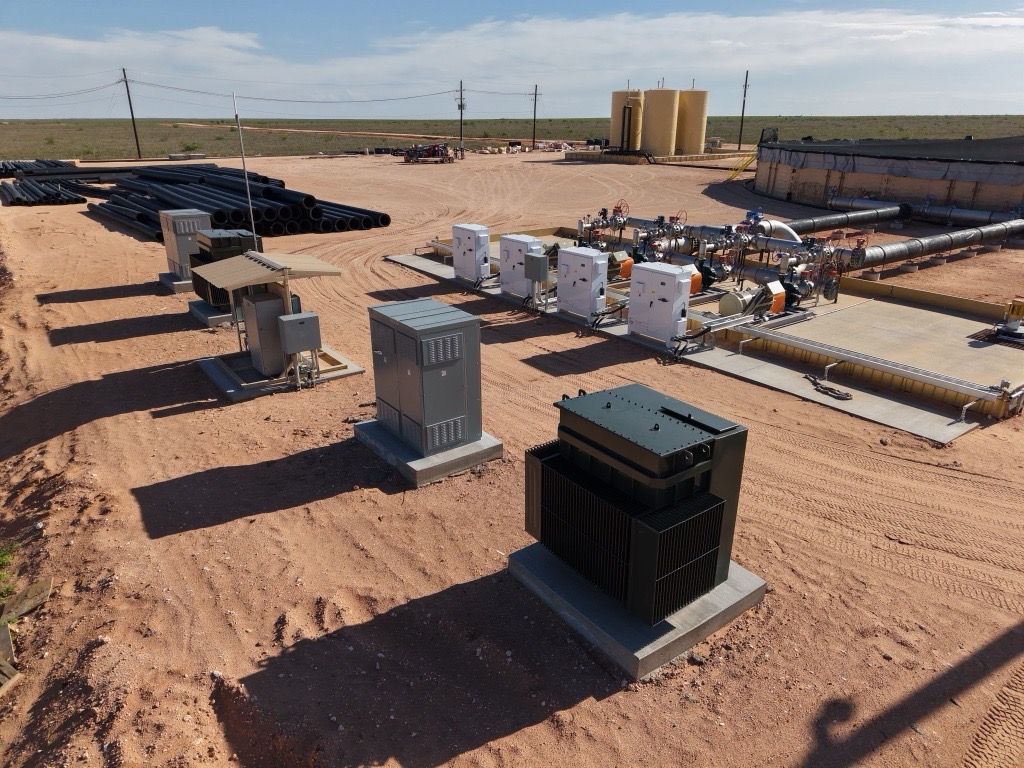
What Proper Installation Requires
Electrical installation in operating facilities involves coordinating outages with production schedules, verifying existing infrastructure can support added loads, and testing completed work to confirm proper operation before energizing equipment. Tying new panels into energized bus requires careful planning, qualified personnel, and arc-rated personal protective equipment because available fault current in industrial settings exceeds what standard breakers can interrupt without specialized current-limiting designs.
After electrical installation completes, equipment operates without nuisance trips from improperly sized breakers, voltage drop stays within acceptable limits even when motors start simultaneously, and ground fault protection functions correctly to clear faults before equipment damage occurs. Operators notice that motor starters no longer buzz from loose connections, panel temperatures remain moderate during peak loading, and lighting systems provide consistent illumination without the voltage sag that accompanied undersized feeders. Properly torqued terminations prevent the progressive heating that leads to insulation failure and arc flash incidents.
Installation projects include labeling that identifies circuits, voltages, and disconnect locations so maintenance personnel can isolate equipment safely during future work. As-built drawings showing actual conduit routes and panel schedules become critical references when facilities need to add circuits or troubleshoot problems years after initial installation. Systems installed with expansion capacity and accessible junction points accommodate growth without requiring complete rework.
Questions Before Starting Your Project
Facility managers planning electrical upgrades need to understand what affects installation scope and timeline.
What determines electrical installation costs?
Major factors include distance from power source to loads, voltage level requiring specialized equipment, hazardous area classifications demanding explosion-proof components, available outage windows affecting labor scheduling, and existing infrastructure capacity determining whether service upgrades become necessary before adding circuits.
How are conductor sizes selected for motor loads?
Sizing accounts for full-load current from motor nameplates multiplied by service factor, temperature correction for ambient conditions exceeding NEC base assumptions, and voltage drop calculations ensuring motors receive adequate voltage during starting when current spikes to six times running amperage.
When does existing electrical infrastructure need upgrading?
Indicators include breakers operating near rated capacity with no room for additional loads, transformers running hot during peak demand, voltage measurements showing excessive drop at equipment terminals, or outdated panel designs lacking ground fault protection required by current codes.
What testing occurs after installation?
Verification includes insulation resistance tests confirming conductors aren't compromised, continuity checks validating ground paths, phase rotation measurements ensuring motors will spin correctly, and protective device coordination studies confirming breakers interrupt faults at proper current levels without nuisance trips.
Why do Bossier City industrial facilities often require specialized electrical equipment?
Humidity levels and corrosive atmospheres in Gulf Coast locations accelerate corrosion of standard enclosures and terminations, requiring NEMA 4X stainless housings and conformal coating on circuit boards to achieve acceptable service life in these demanding environments.
Redline Precision Group handles electrical installations from initial design through final testing and commissioning, ensuring systems meet both code requirements and operational demands. Contact us to discuss your electrical infrastructure needs and receive a detailed project scope based on actual site conditions.