
Systems That Keep Production Running
Pump Installation and Repair in Bossier City for equipment that loses pressure, runs hot, or fails alignment checks
Redline Precision Group installs and services industrial pump systems across Bossier City and the surrounding energy and manufacturing sectors where pressure drops and vibration patterns signal alignment problems before full failure occurs. When a centrifugal pump begins running louder or discharge pressure falls below operating specifications, technicians evaluate bearing wear, impeller clearances, and coupling alignment to determine whether repair or replacement makes operational sense. Field diagnostics often reveal issues traced to improper mounting, worn mechanical seals, or shaft deflection that standard maintenance schedules miss until production stops.
This service addresses performance degradation in positive displacement pumps, centrifugal systems, and specialty transfer equipment used across chemical processing, oil and gas, and industrial water applications. Alignment procedures include laser measurement to ensure coupling faces meet manufacturer tolerances, preventing premature bearing failure and seal leakage that shortens pump life by months or years depending on operating conditions.
Schedule an on-site evaluation to identify specific performance concerns and review repair options based on current equipment condition.
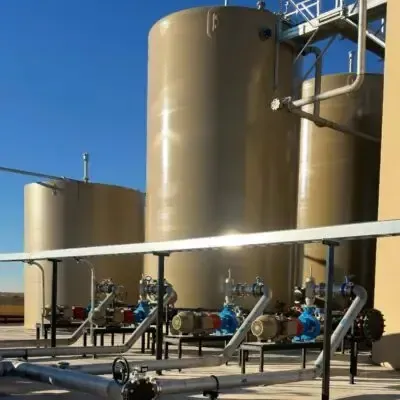
How Proper Installation Prevents Repeated Failures
Installation work begins with foundation assessment and base plate leveling, followed by precise alignment checks using dial indicators or laser systems to confirm shaft runout stays within acceptable limits. Pump systems operating in high-temperature or chemically aggressive environments require additional attention to thermal expansion allowances and seal flush systems that prevent early component degradation.
After installation or repair, the pump operates within design flow and pressure parameters without excessive vibration or noise, and mechanical seals stop leaking product or coolant onto the floor. Systems maintain consistent performance through scheduled operating cycles rather than requiring frequent intervention or adjustment, and bearing temperatures stabilize within normal ranges during continuous operation.
Repair work may involve shaft resurfacing, impeller replacement, or complete rebuild depending on wear patterns and hours since last overhaul. The scope of service depends on whether the pump has experienced cavitation damage, abrasive wear from slurry handling, or simply accumulated runtime beyond recommended intervals.
Pumps we source and service:
Centrifugal-
Ansi Pumps
API Pumps
H-Pumps
Seal less Pumps
Water transfer Pumps
Self-Priming Pumps
Vertical turbine Pumps
Wastewater Pumps
Positive Displacement Pumps-
Multiples Reciprocating Plunger Pumps
Rotary Gear Pumps
Air Operated Diaphragm Pumps
Lobe Pumps
What Facility Managers Usually Ask
Pumps handling abrasive or corrosive fluids require more frequent inspection intervals, and humid conditions in Bossier City accelerate corrosion on exterior components if protective coatings fail or moisture enters bearing housings during washdown procedures.
What causes a pump to lose pressure even when the motor runs normally?
Pressure loss typically results from worn impeller clearances, internal recirculation through damaged wear rings, or air entrainment from suction-side leaks that reduce hydraulic efficiency without stopping rotation.
How is alignment verified after installation?
Technicians use laser alignment tools or dial indicators to measure offset and angularity between pump and driver shafts, adjusting shim stacks and base plate positioning until readings fall within equipment manufacturer specifications for thermal growth and operational loads.
When should a pump be rebuilt rather than replaced?
Rebuild makes sense when the casing, volute, and structural components remain sound but wear parts like impellers, seals, and bearings have reached end of life, which often occurs every three to five years depending on fluid characteristics and duty cycle.
What pump types does the service support?
The work covers centrifugal pumps, gear pumps, progressive cavity pumps, diaphragm pumps, and specialty transfer systems used across industrial applications with varying pressure and flow requirements.
Why do seals fail repeatedly on certain installations?
Repeated seal failure often traces to misalignment creating radial loads on the seal faces, inadequate cooling or lubrication in the seal chamber, or particulate contamination from process fluids breaking down elastomer components faster than design life predictions.
Redline Precision Group addresses both emergency breakdowns and planned installations with technicians who diagnose root causes rather than cycling through temporary fixes. Request a service call to evaluate current pump performance and determine whether repair or replacement meets operational requirements.