
Equipment That Runs Right From Day One
Commissioning and Start-Up in Bossier City for new installations, system upgrades, and equipment brought online after major overhaul
New equipment arrives on-site with factory settings that rarely account for actual operating conditions, fluid characteristics, or integration with existing control systems. Redline Precision Group performs commissioning and start-up procedures across Bossier City industrial facilities to verify that pumps, motors, gearboxes, and process equipment meet performance specifications before production schedules depend on them. Testing includes flow rate verification, pressure mapping at multiple operating points, and vibration analysis to confirm installation quality eliminated issues that appear only under load.
The process involves running equipment through startup sequences while monitoring bearing temperatures, electrical current draw, and system pressures to identify problems like incorrect rotation, control logic errors, or instrumentation calibration drift before they cause damage. Issues caught during commissioning prevent warranty disputes and avoid the cost of tearing down recently installed systems to fix problems that surface weeks into operation.
Arrange startup support to confirm new installations perform as specified and identify any adjustments needed before full production begins.
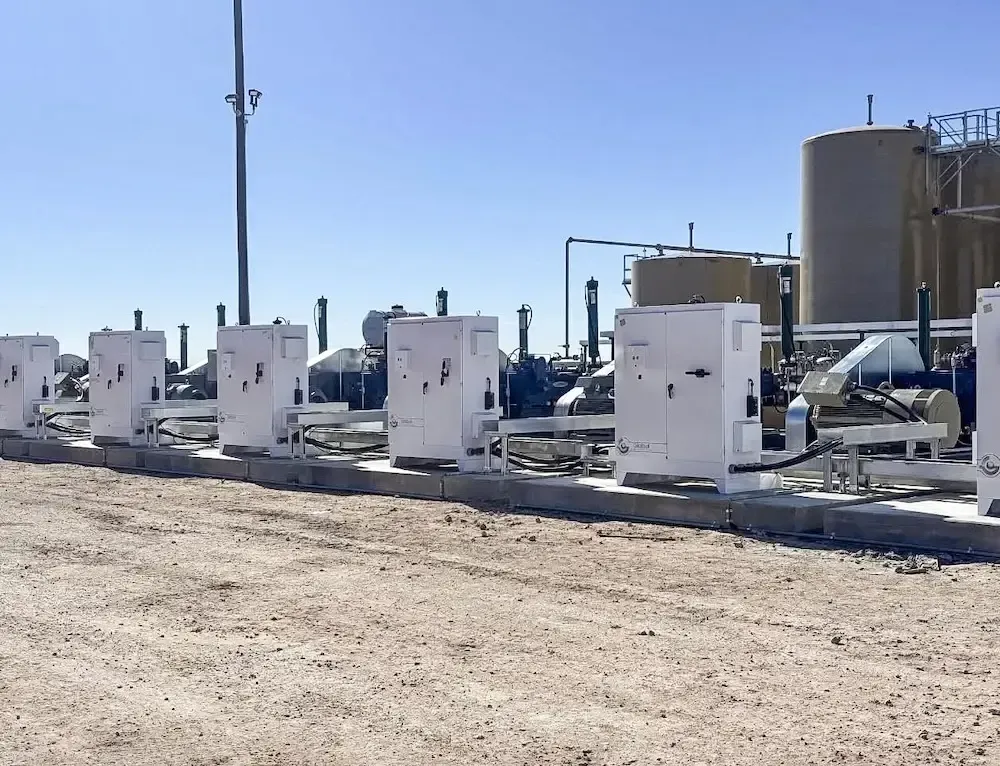
What Testing Reveals Before Full Operation
Commissioning work begins with verifying that mechanical installation meets design drawings and manufacturer requirements, followed by electrical checks confirming correct phase rotation, voltage levels, and control signal integrity. Baseline vibration readings are collected across bearing housings and structural mounting points to establish normal operating signatures that future diagnostics compare against when troubleshooting performance changes.
Once commissioned, systems operate within design parameters without unexpected shutdowns, alarms, or performance gaps between actual output and project specifications. Equipment reaches steady-state operating temperatures without overheating, control loops respond predictably to setpoint changes, and instrumentation provides accurate readings that operators trust when making process adjustments during normal production.
The service includes documentation of test results, operating parameters, and any adjustments made during startup, providing maintenance teams with reference data for future troubleshooting and performance evaluation. Some projects require witness testing with client representatives or third-party inspectors to satisfy contractual obligations or regulatory requirements.
Answers to Frequent Service Questions
Commissioning timelines vary based on system complexity, and industrial facilities in Bossier City often coordinate startup around production schedules to minimize disruption when switching from old equipment to newly installed systems.
What happens if equipment fails performance tests during commissioning?
Testing identifies whether failures stem from installation errors, damaged components, or design issues, and technicians work with contractors and equipment suppliers to resolve problems before final acceptance and warranty activation.
How long does commissioning typically take for pump systems?
Simple single-pump installations may require only a few hours of testing and adjustment, while complex multi-pump systems with automated controls and redundant operation modes often need several days of staged startup and performance verification.
Why commission equipment that already ran at the factory?
Factory testing occurs under ideal conditions with controlled power quality, calibrated instrumentation, and often uses water or test fluids rather than actual process media, so field commissioning verifies performance with real operating variables and system integration challenges.
What documentation is provided after startup?
Commissioning reports include test data, vibration baselines, operating parameter readings, calibration records, and notes on any adjustments or configuration changes made during startup procedures.
When should commissioning occur relative to project completion?
Startup should happen after mechanical and electrical installation completes but before production pressure forces equipment online without proper testing, which typically means scheduling commissioning during the final phase of construction or during planned outage windows.
Proper commissioning prevents costly rework and production delays by confirming systems work correctly before operational demands expose installation or configuration problems. Contact Redline Precision Group to coordinate startup testing and performance verification for upcoming installations or recent equipment upgrades.